What’s Hot In Architecture 2025: No 12
Community-Led Design Initiatives
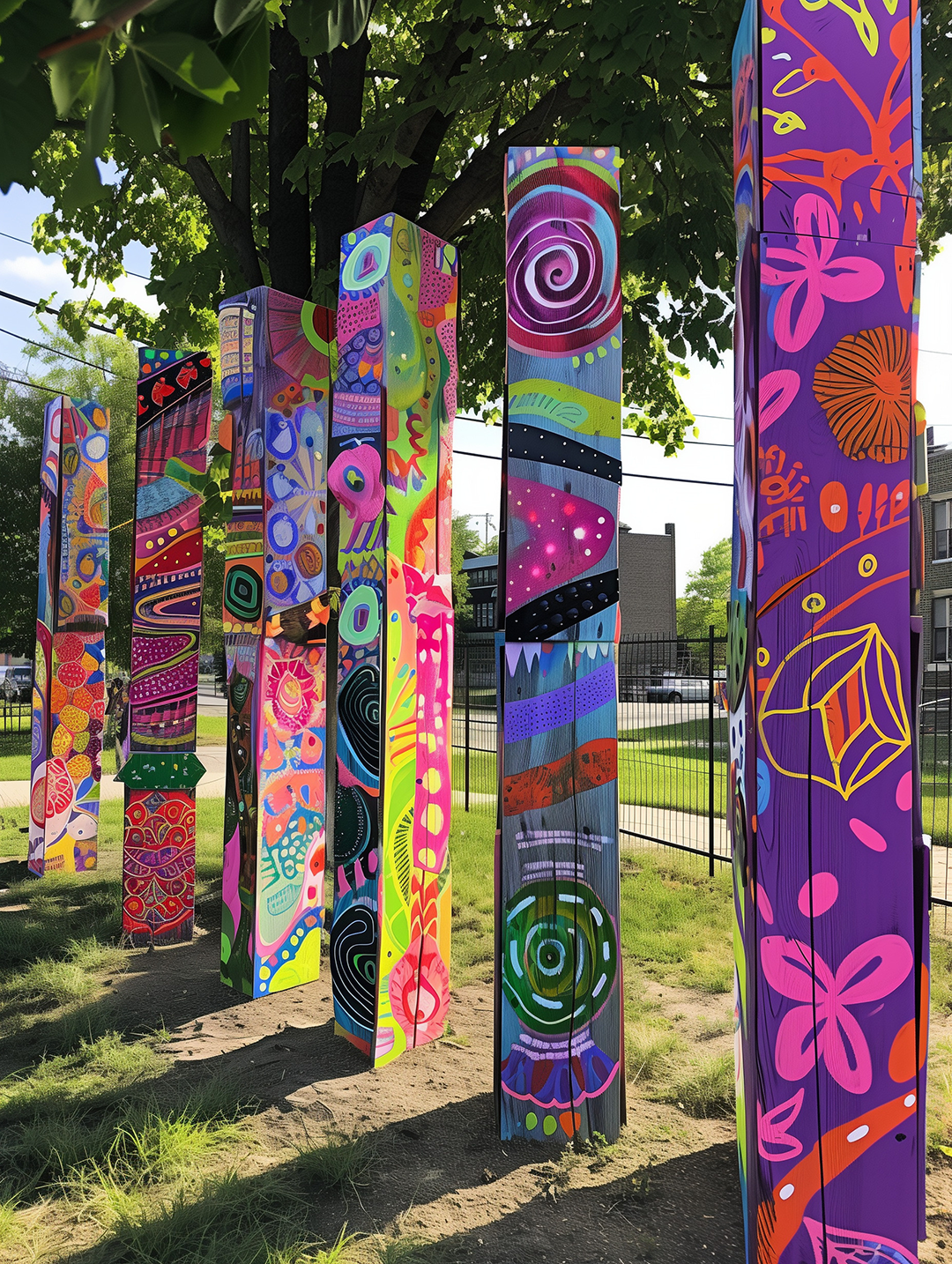
In 2025, one of the most transformative shifts in architecture has been the rise of community-led design initiatives—a movement that is redefining how we conceive, develop, and deliver contemporary projects. For years, architects have sought ways to create buildings that feel authentic, rooted, and genuinely useful. Now, the answer, amazingly simple, is becoming clear: involve the people who will actually use the spaces.
Why Community-Led Design Matters
Modern clients—whether residential, commercial, or public sector—are increasingly recognising that successful architecture doesn’t emerge in isolation. It grows out of dialogue.
Community engagement ensures that design reflects local values, daily behaviours, and emerging neighbourhood priorities, rather than imposing a generic formula. This collaborative process fosters:
- Greater relevance: Designs respond directly to how people live, gather, move, and work.
- Stronger identity: Architecture becomes a reflection of community heritage and aspiration.
- Longer-term success: Users feel ownership, leading to better maintenance, commitment, and pride.
- Reduced planning risk: Early engagement often results in smoother approvals and fewer objections.
How It’s Shaped Up In 2025
Across the UK and internationally, projects are now increasingly shaped by workshops, charrettes, digital community platforms, and co-creative design reviews. Architects are shifting from being sole authors to becoming curators of collective insight, using data, feedback, and lived experience to elevate design outcomes.
This aligns perfectly with our evolving emphasis on people first or social sustainability—architecture that supports wellbeing, economic vitality, and community cohesion. It is now considered good practice, not an optional extra.
Why It’s Essential for Contemporary Projects
If you're considering a new contemporary home, boutique hospitality project, or small development, community-led design is no longer a “nice to have”—it’s a strategic advantage.
It can help:
- Strengthen your planning case
- Ensure the project feels rooted and authentic
- Create architecture that neighbours welcome, not resist
- Build environments that genuinely improve quality of life
In short: better design, broader support, and a smoother path to delivery.
If you’re planning a new contemporary project and want a design approach that is modern, meaningful, and community-aligned, now is the perfect time to explore this movement further.
Speak to Mark about how community-led design can elevate your next project—and how we can help you turn collaborative insight into exceptional, future-proof architecture.